

Is This the End of NATO?
The disputes over the Iran War are unprecedented in NATO's 77-year history. It threatens not just the cohesion, but the very foundation of the Alliance itself.

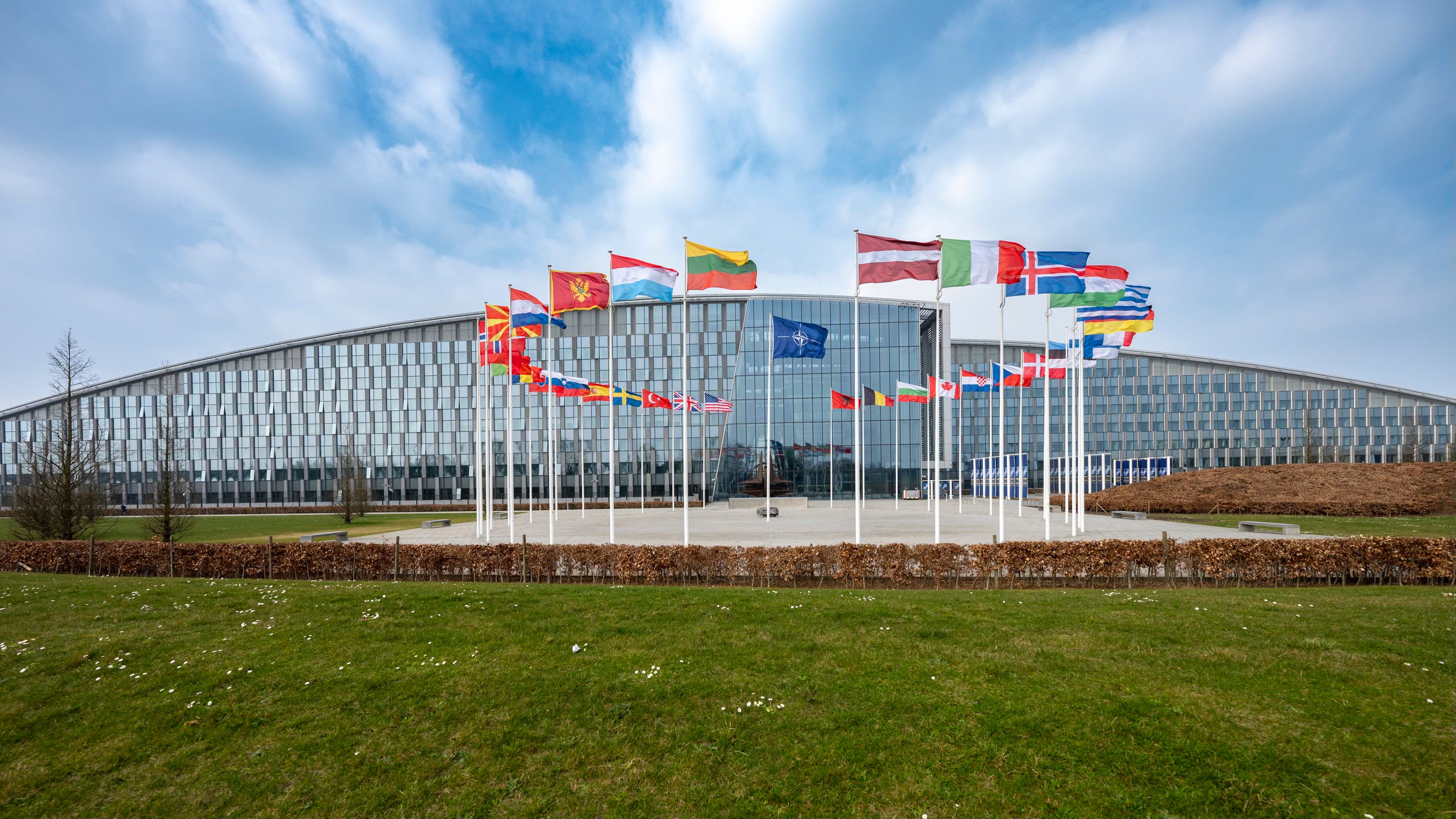
I have long worried that Donald Trump’s longstanding antagonism towards NATO might call into question the future of the Atlantic Alliance itself. After all, he came to office in 2017 calling NATO “obsolete” and a year later was close to walking away from the Alliance altogether.
In the end, NATO survived, and skilled diplomacy last year by NATO Secretary General Mark Rutte secured agreement among NATO nations to spend 5% of GDP on defense by 2035. Even Trump appeared to be impressed.
But the last two weeks have brought relations between the president and European allies to a boiling point. Unlike in the Iraq invasion in 2003, America’s NATO allies were left in the dark before the Iran war began on February 28. Many, if not all, considered the war a violation of international law, coming after Europe had stood with Ukraine against a similarly illegal war.
The Iran War Rift
At the start of the war, which the US thought would be over quickly, a few European nations took actions to limit cooperation with the United States. Spain and the UK said their bases could not be used for offensive action; France closed its airspace to bombing (but not resupply) missions. Washington wasn’t pleased, but with progress in the bombing campaign there was little reason to be upset.
That changed when Iran effectively closed the Strait of Hormuz, halting tanker traffic carrying over 20 percent of the world’s oil and gas supply, and even greater amounts of other vital commodities like fertilizer and helium (used in chipmaking). Trump called on NATO allies to deploy naval assets to force the Strait open. None responded positively: “This is not our war,” was the frequent refrain.
Trump was not happy, and he let it be known. While repeatedly saying the United States didn’t need the help from allies, he also made clear that he saw it as a test for NATO—and NATO failed. “We will remember,” he said, repeating his oft-stated belief that “we’ll come to their rescue but they will never come to ours.”
By this weekend, the situation had grown worse. The UK continued to deny the use of its bases to bomb Iranian targets other than Tehran’s missiles and drones, Spain closed its airspace to all US military traffic, France refused to allow US planes with war supplies for Israel to fly over its territory, Italy rejected a request for planes with weapons destined against Iran to land at its Sigonella base in Sicily, and Poland turned down a request to send a Patriot system to the Middle East.
The US reaction to all these actions was swift. “What’s in it for us,” Secretary of State Marco Rubio asked when recounting the ways European countries had denied assistance or even overflights. “If NATO is just about us defending Europe if they’re attacked but then denying us basing rights when we need them, that’s not a very good arrangement.”
While Rubio suggested a need to reexamine America’s relationship with NATO, Trump was more definitive, telling the Europeans “to start learning how to fight for yourself, the U.S.A. won’t be there to help you anymore, just like you weren’t there for us.”
Worst Crisis Ever
NATO allies have been at odds before. Bookshelves are filled with titles about “NATO in crisis.” Yet, previous crises concerned differences over policy, but never went to the heart of the collective defense concerns that are at the core of NATO’s foundation. At no time did any US president suggest, let alone say outright, “the USA won’t be there to help you anymore.” Nor did five of the six largest European allies stand in the way of America’s ability to conduct military operations elsewhere—even if they disagreed with those operations.
This is by far the worst crisis NATO has ever confronted. Military alliances are at their core, based on trust: the confidence that if I am attacked, you will come help defend. That trust has been stretched for years under Donald Trump’s leadership. Has it finally been ripped apart and broken?
It’s hard to see how any European country will now be able and willing to trust the United States to come to its defense. Hope, perhaps. But they can’t count on it.
Europe must now do what it has failed to do for so long. It needs to build up its defenses as quickly as it can, mobilize resources and production capabilities, recruit and if necessary conscript people to serve, train and prepare for attacks, both direct and indirect, and realize that all of this was needed yesterday rather than tomorrow.
As an organization, NATO is still the best instrument to help organize this effort. So long as the US military remains engaged and part of the organization, it can help guide the effort as Europe takes over responsibility for its defense within a structure that was created and evolved on the basis of American leadership and control.
None of this will be easy or cheap. But there is no alternative. Trump’s America can no longer be trusted as an ally in time of war.
NATO can only be saved if the US is not a member anymore. Trump did not hesitate one minute to start a war that is immoral, illegal, doomed to fail and has no qualms about throwing Europe and Asia under the bus. He did not consult with anybody except the genocidal regime in Tel Aviv. If it were possible to save his orange behind from this mess and we did help him, he would do something similar to us again in a split second. Frankly the Western alliance as such is dead, not just NATO. The smart thing to do is to ignore the Israelis and the Americans and negotiate with Iran. The sanctions have failed to dislodge the regime anyway, so they should go. The hard ask to Iran should be a total halt to its relationship with Russia in exchange for economic normalisation. The question that the US-Israel axis of genocide would then face is whether they dare to bomb tankers and other ships whose owners are citizens of non-belligerent nations.
Imagine where that leaves Canada… We don’t even have the choice of seeking autonomy. Geography dictates that we must deal with the USA, no matter if the guy in charge is a compounded moron.