

World Review: Trump Visits Asia and Meets with XI
A synopsis of this week's edition of World Review


Each Friday morning, I host a video podcast called World Review with Ivo Daalder where journalists from major news outlets around the world join me to discuss the latest global news stories of the week.
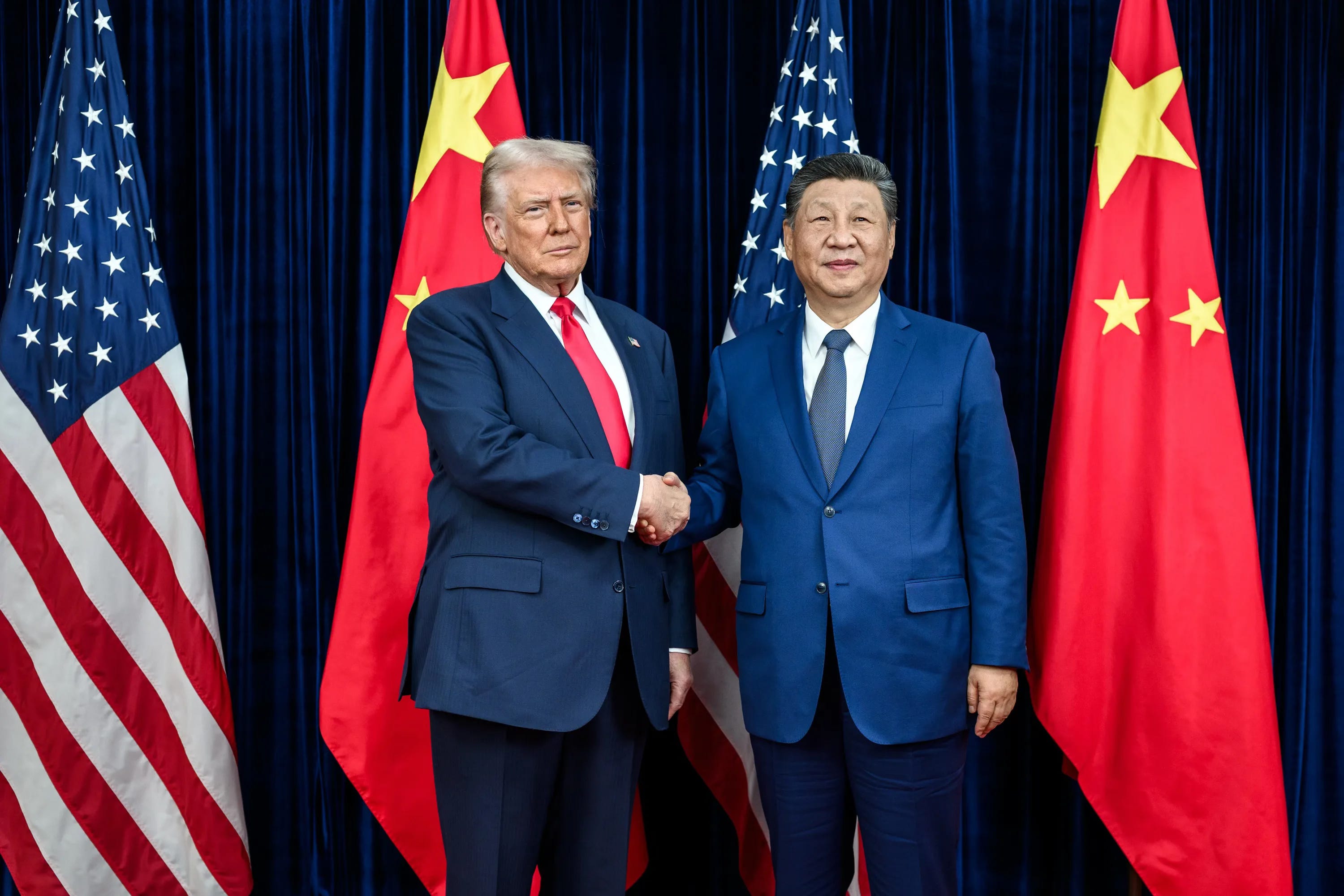
Today, October 31, we discussed President Trump’s visit to Asia and his meeting with Xi Jinping. Joining me this week were Ken Moriyasu, Washington correspondent of Nikkei Asia, and Gideon Rachman, chief foreign affairs columnist of The Financial Times.
“World Review is always fascinating. I love the fact that you can get journalists from around the world to participate since zoom is the medium.”
— A Subscriber to America Abroad
While I encourage you to watch or listen to the episode (and subscribe wherever you get your podcasts!), here are a few interesting things I took away from our discussion:
Sometimes, as Sherlock Holmes said, it’s the dog that didn’t bark the was the most interesting. And do it may have been in the case of President Trump’s visit to Asia this week. Ken pointed out the two things that didn’t happen that may have been among the most important. The visit underscored the deep fissures between Trump and Indian Prime Minister Modi. Trump skipped Delhi for a visit (even though India was supposed to host the Quad Leaders meeting). And Modi skipped the ASEAN Summit, apparently because he did not want to meet with Trump. Another notable omission was the issue of Taiwan in Trump’s meeting with President Xi in South Korea. Trump wanted to talk economics. Taiwan didn’t come up in the meeting, according to Trump. While this avoided a change in US policy that many had feared (with the US moving from not supporting Taiwanese independence to outright opposition), neither Taiwan nor other allies in the region would have been reassured by the absence of any discussion of Taiwan or the US reaffirmation for its support of the status quo.
As for the Trump-Xi meeting, the most the two Presidents could agree on was a temporary truce in the trade war. But while trade was the key topic, the real substance of the meeting underscored a shift in US-China relations, with China emerging as a peer competitor to the United States. China clearly sees itself in the driving seat, learning to weaponize interdependence through its control of rare earth minerals. For now, both countries seem to be fine with avoiding a bigger economic confrontation and ensuring some degree of stability in their relationship. But, as Gideon warned, that may not last long. China is ambitious. It wants to unify with Taiwan and undermine America’s power in the region and even across the globe. And its successful flexing of the rare earth muscle shows that it has the power to get what it wants.
Those are my quick takes on this week’s episode here on World Review. To get the full story, please listen to the episode itself.
Brilliant. That Sherlock Holmes analogy about the dog that didn't bark is just perfect. It's so easy to get caught up in the headlines and miss the subtler dynamics at play. A truly sharp way to frame international relations. Always appreciate this kind of deep dive.