

Not Much to Show for a Week of Diplomacy
The frantic efforts to bring about an end to the war in Ukraine changed little. Russia and Ukraine are as far apart as ever.

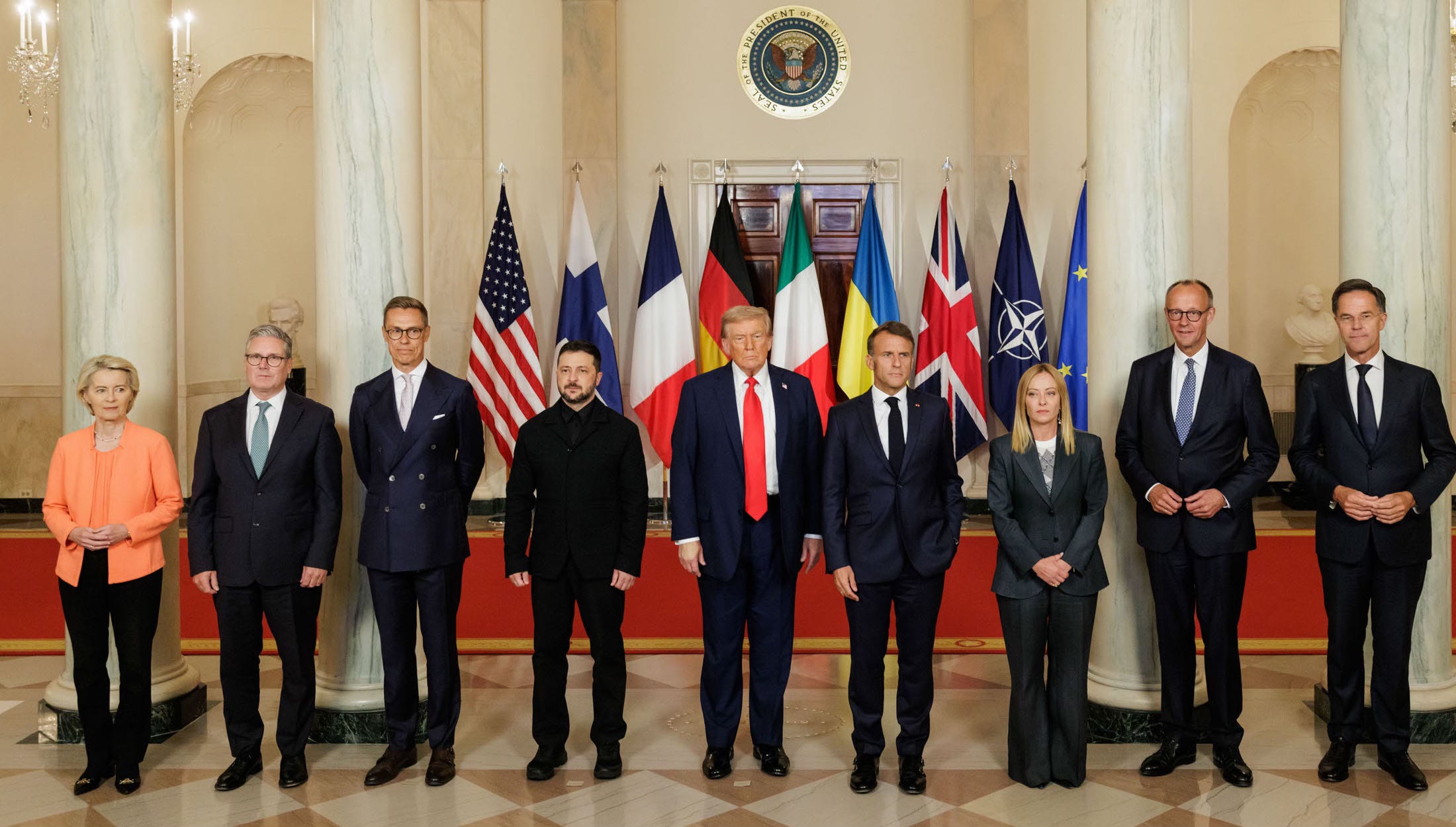
In the last seven days, leaders in the United States, Europe, and even Russia have invested a lot of time and effort, traveled thousands of miles, and sat through hours-long meetings, in the search for an end to the war in Ukraine. But, as I argue in a new piece for Foreign Policy, all these frantic have very little to show for themselves.
If nothing else, Donald Trump doesn’t shy away from high stakes meetings. Always supremely confident in his own abilities to bend others to his will, the U.S. president spent the past few days engaging with leaders on both sides of the war between Russia and Ukraine to try to end the most destructive war in Europe since 1945.
For all his efforts, however, the prospect of finding a resolution to the conflict remains as distant today as it was before Trump threw the diplomatic effort into full gear a couple of weeks ago. The fundamental reality confronting Trump is that Russia and Ukraine are pursuing irreconcilable objectives. Ukraine wants to be secure, sovereign, and independent. Russia wants to subjugate Ukraine and control its destiny.
European leaders know this. Ukrainian President Volodymyr Zelensky knows this. Russian President Vladimir Putin knows this. Does Trump? There is no indication that he does. To Trump, wars are about violence, bloodshed, and killing. They have no underlying rationale. He often compares belligerents to kids fighting in a playground.
But wars, bloody though they often are, are anything but irrational. They reflect real political conflict and an assessment by one or more of the parties that fighting is a better way to achieve their objectives than diplomacy or negotiations. And that has been Putin’s calculation ever since February 2014, when he illegally seized Crimea and started a hybrid war against Ukraine in the Donbas region.
Read the entire article on ForeignPolicy.com.