

America’s Chaotic Approach to Ukraine
The absence of a formal policy process is a feature—or bug—of the Trump Administration and explains its chaotic approach to ending the war in Ukraine

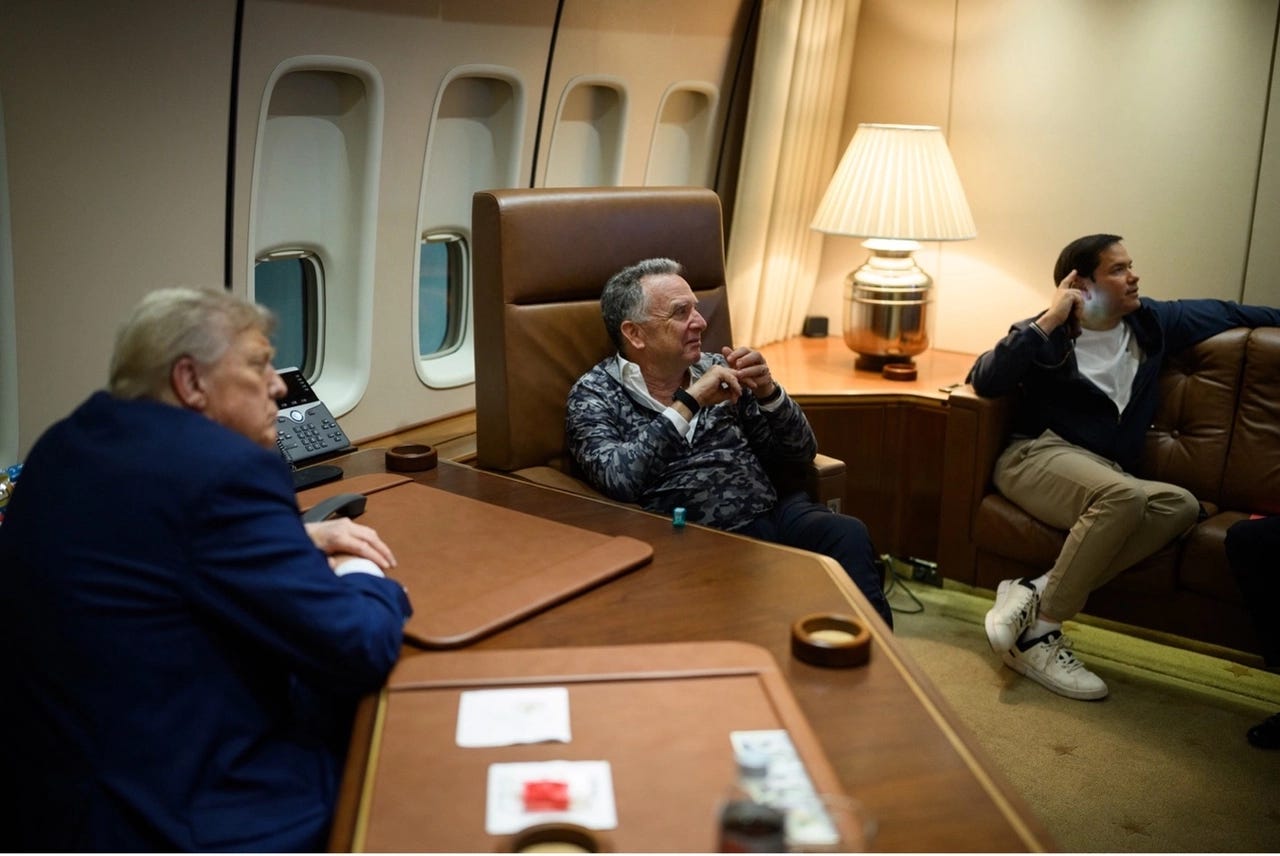
No one should be surprised by the chaos that has enveloped the Trump approach to end the war in Ukraine. It’s what happens when there is no real policy process to develop policy, provide guidance, interact with foreign governments and set a clear direction.
As I write in my regular “From Across the Pond” column,
If you’ve had a hard time following the latest U.S. efforts to negotiate an end to the war in Ukraine, you’re hardly alone. It’s been a dizzying few months, with meetings in Moscow, Anchorage, New York, Washington, Miami, Kyiv and Geneva, and countless more informal calls between a large list of players.
One reason for this rollercoaster is that U.S. President Donald Trump has set his camp a nearly impossible task: ending a war between two countries that are both determined to continue their fight for polar opposite goals: In Russia’s case, Ukraine’s subjugation; in Ukraine’s case, securing its sovereignty and independence.
But there’s another reason for the chaotic scenes we’ve witnessed over the past few months — of summits announced then called off, deadlines declared then abandoned, plans set in stone then amended, all with an ever-rotating cast of characters leading negotiations — and that’s because the Trump administration lacks a formal process to develop policy, provide guidance, interact with foreign governments and set a clear direction.
This absence of formal process is a unique feature — or bug — of this presidency. Of course, Trump is hardly the first U.S. leader to rely on a small coterie of aides to discuss critical foreign policy issues. Former President George H.W. Bush ran the Gulf War with seven top officials, while Trump’s predecessor Joe Biden made many national security decisions during his presidential daily intelligence brief, which was attended by just a few top aides.
What’s different here is that top aides in other administrations relied on an interagency process led by their staff to discuss issues, develop policy options and oversee implementation. Trump, meanwhile, runs the U.S. government like he ran his family business — from behind his desk in the Oval Office, where he meets with everyone, calls anyone and then decides policy on a whim. And his aides operate almost entirely on their own.
Read the entire column at Politico Europe.
Chaos. It serves Putin admirably.
It would seem that Trump is determined to accumulate foreign policy fiascos (Ukraine, Gaza) through ignorance and bluster, followed by incompetence. In the case of Ukraine, the time line is as follows: Trump proposes a 28-point peace plan apparently written by Moscow, then part of his administration pretends to soften the terms for Ukraine by negotiating with Ukraine and Europe, while the other part is undercutting the effort by negotiating with Russia in Abu Dhabi. Finally, the US proposal (which one?) is carried to Moscow by the incompetent Kushner-Witcoff duo, who getted the door slammed in their face and come back empty-handed! Farcical if it wasn't so dangerous!